
A Roomba once felt like a small luxury. Guests watched it roll across the floor, and the owner could claim a little piece of the future. Today, a robot can vacuum, wash hard floors, and clean its own mop pads. Plenty of competitors offer all that for less than the price of a premium Roomba.
Affordable robot vacuum and mop combos helped strip iRobot of the advantage that made it famous. The company entered Chapter 11 bankruptcy on December 14, 2025. Its longtime manufacturer, Picea Robotics, acquired full ownership on January 23, 2026. Roomba survived as a brand. The independent American company did not.
The Robot Everybody Knew
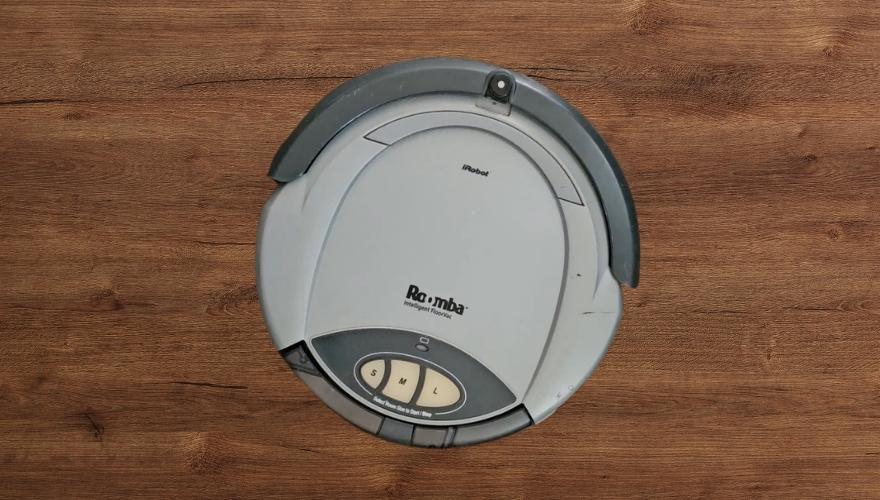
The first Roomba debuted in 2002. Its appeal was easy to explain. A machine could handle a household chore without a person behind it. Over time, Roomba became a household name. For some buyers, the name itself almost justified the price.
To see where it all began, here’s a look at how iRobot introduced its original Roomba to the world in 2002.
iRobot originally bet on separate machines for separate jobs. Former CEO and co-founder Colin Angle admitted in a December 2025 interview that the company had been late to create a combined vacuum and mop. He believed separate devices gave customers a better experience.
Customers disagreed. That admission may be the most useful part of the whole story. Even excellent engineers can misread the job people want done.
The Price Tag Became a Problem
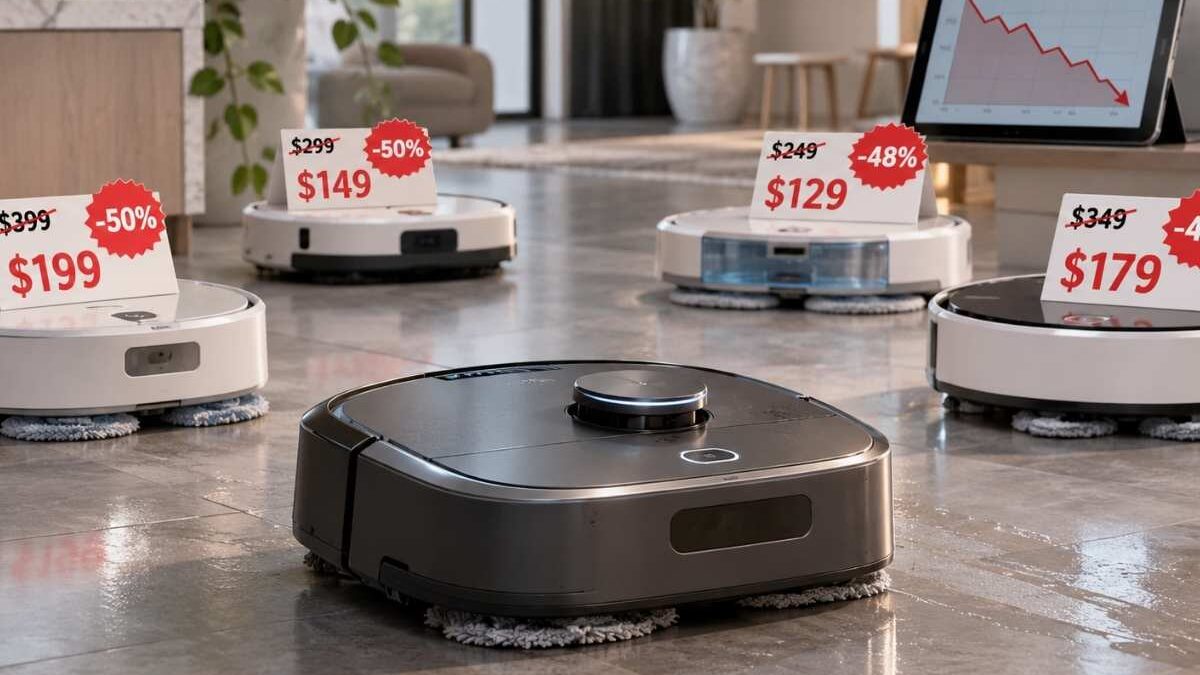
Imagine two robots side by side. One carries a familiar logo. The other washes its mop pads after every job. If the price is similar, which one would you take home? The American market now presents some uncomfortable comparisons for any brand that depends heavily on reputation.
| Model | U.S. price, November 5, 2026 | Relevant feature |
| Roomba 105 Combo | $169.99, sale price | Vacuum and basic wet mop |
| Roomba Plus 415 Combo | $379.99, sale price | Dual mop pads with an AutoWash dock |
| Roborock QV 35A | $449.99, sale price | Motorized mop pads and an automatic wash dock |
Price snapshot based on the manufacturers’ U.S. stores. Promotional prices may change.
A budget robot can still disappoint. A damp cloth dragged across dried sauce may leave most of the mess intact. Motorized pads add friction, and automatic pad care reduces the chance of dirty residue reaching another room.
Our preference is simple: judge how much work the robot saves after its first run. Mop maintenance and replacement parts affect long-term convenience. A famous logo offers little comfort if you still have to finish every floor by hand.
iRobot’s Financial Numbers Were Already Bad
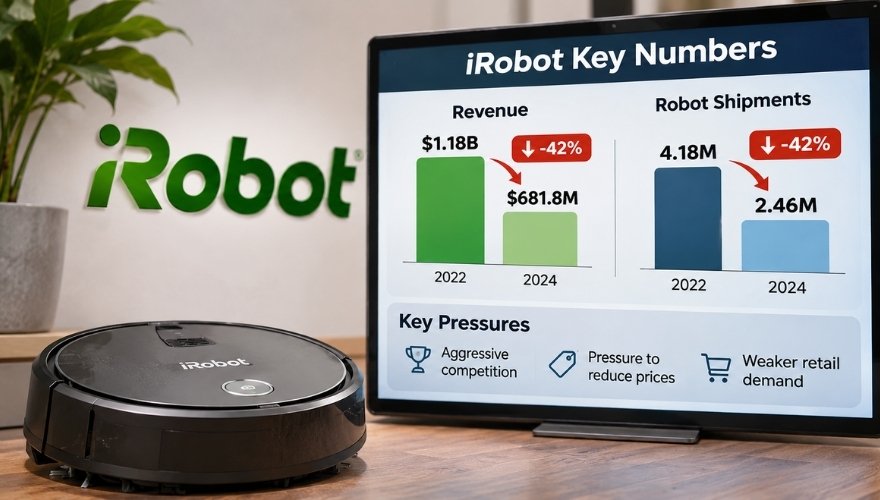
The finances show why a late response was so costly. iRobot reported $1.18 billion in revenue in 2022. By 2024, revenue had fallen to $681.8 million, a decline of approximately 42%. Robot shipments also dropped, with 4.18 million units in 2022 versus 2.46 million in 2024.
Its annual financial report identified aggressive competition and pressure to reduce prices. Weaker retail demand added to the trouble.
A new robot lineup needed substantial investment. Yet iRobot had fewer resources available as sales declined. By the time the company introduced more capable combo models in 2025, customers already had established alternatives.
Amazon Could Have Changed the Outcome
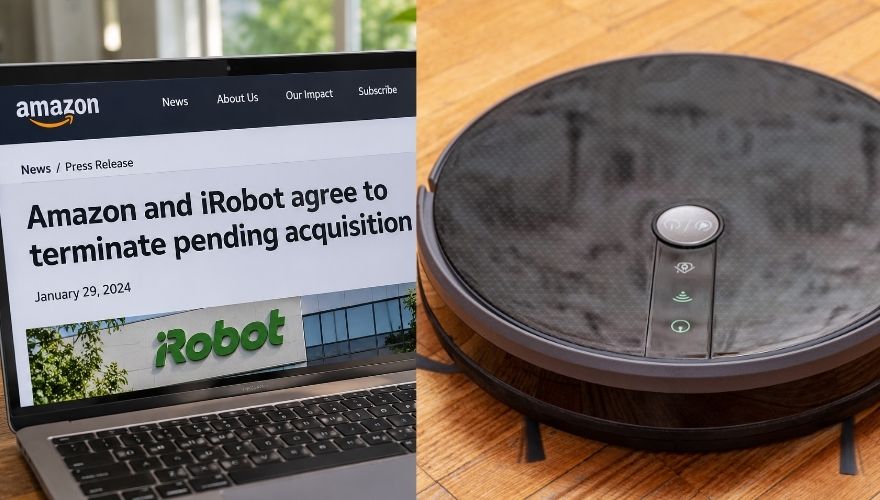
A proposed Amazon acquisition offered a possible escape. Instead, the companies ended the agreement on January 29, 2024, after opposition by European regulators. iRobot announced major cost cuts that same day.
Other pressures followed, such as tariffs and higher production expenses. Cheap mop robots alone did not bankrupt iRobot. They exposed an expensive delay at an especially difficult moment.
Picea, already iRobot’s principal contract manufacturer and secured lender, eventually took control through the court-supervised process. The Roomba name remained on store shelves, although ownership had changed completely.
Shoppers Won. Roomba Learned an Expensive Lesson
Customers gained more choices as robot mop technology became affordable. Yet a low sticker price can hide routine expenses. Before a purchase, check replacement pad costs and the availability of dust bags. Spare parts and software support deserve a look as well.
Tile-heavy homes may benefit most from effective mop maintenance. Carpets place greater emphasis on brush performance and debris pickup. Floor type should guide the choice.
iRobot still has an opportunity under new ownership. It now sells combination robots at prices that would have surprised Roomba buyers years ago.
The irony is hard to miss. iRobot helped persuade the public to pay for a robot that vacuumed. Competitors made a robot that also washed floors feel affordable.
Roomba finally followed, after the independent company had run out of time.